

Introduction
Valentine’s Day Cake is a simple, comforting dessert that still feels special enough for a celebration. With soft vanilla layers and smooth cream cheese frosting, it’s the kind of cake made for relaxed gatherings, family dinners, or quiet nights at home. Balanced, dependable, and easy to serve, this recipe is perfect for sharing something homemade without extra effort.
Why You’ll Love This Recipe
This Valentine’s Day Cake is loved for its simplicity, steady results, and balanced flavor. The ingredients are easy to find, the steps are straightforward, and the cake consistently bakes up tender and moist. The cream cheese frosting adds comfort without overpowering the cake. It’s practical for home bakers who want something festive but reliable, and flexible enough to serve for holidays, family meals, or casual gatherings throughout the year.
Kitchen Tools You’ll Need
- Mixing bowls
- Whisk
- Electric mixer
- Measuring cups and spoons
- Two round baking pans
- Spatula
- Cooling rack
Ingredients
- 2 cups cake flour (fine texture for a tender crumb)
- 1 ½ cups granulated sugar
- 2 teaspoons baking powder
- ½ teaspoon salt
- ½ cup unsalted butter, softened
- 4 large eggs, room temperature
- 1 cup whole milk
- 2 teaspoons vanilla extract
- 8 oz cream cheese, softened
- 4 cups powdered sugar
How to Make Valentine’s Day Cake
Preparation
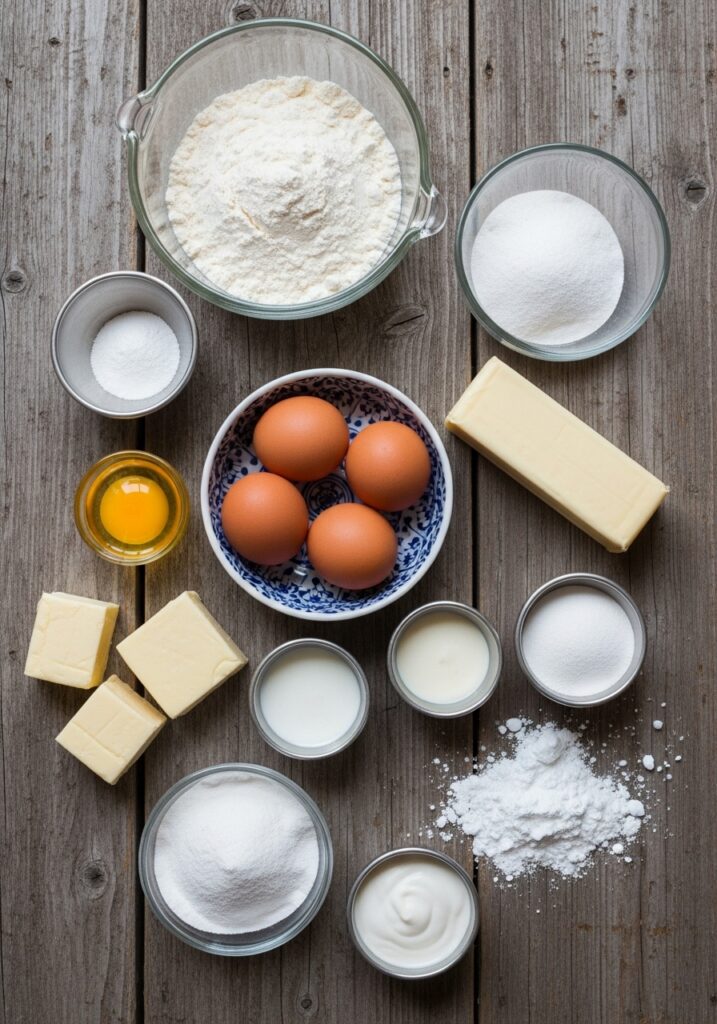
Start by preheating the oven to 350°F (175°C) and greasing two round baking pans so the layers release easily after baking. Gather all ingredients and let the butter, eggs, and cream cheese come to room temperature, which helps everything blend smoothly. Measure the ingredients carefully and set them within reach. This small bit of organization makes the mixing process more relaxed and helps prevent rushing once the batter comes together.
Mixing or Cooking
In one bowl, whisk together the cake flour, granulated sugar, baking powder, and salt until evenly combined. In a separate bowl, cream the softened butter until it looks light and fluffy, then gradually add the sugar, mixing until smooth. Beat in the eggs one at a time, allowing each to fully mix in before adding the next. Stir in the vanilla extract, keeping the mixture well blended but not overworked.
Baking / Main Cooking
Alternate adding the dry ingredients and the milk to the butter mixture, mixing gently until just combined. Pour the batter evenly into the prepared pans and smooth the tops. Bake for 25–30 minutes, checking near the end for doneness. The cake is ready when a toothpick inserted into the center comes out clean. Avoid opening the oven door too often to maintain steady heat while baking.
Finishing & Resting
Once baked, remove the pans from the oven and allow the cakes to cool briefly before turning them out onto a cooling rack. Let the layers cool completely before frosting, as warmth can cause the cream cheese icing to slide. Frost with the softened cream cheese mixed with powdered sugar until smooth. Allow the frosted cake to rest slightly before slicing, which helps the layers hold together neatly.
Serving Suggestions
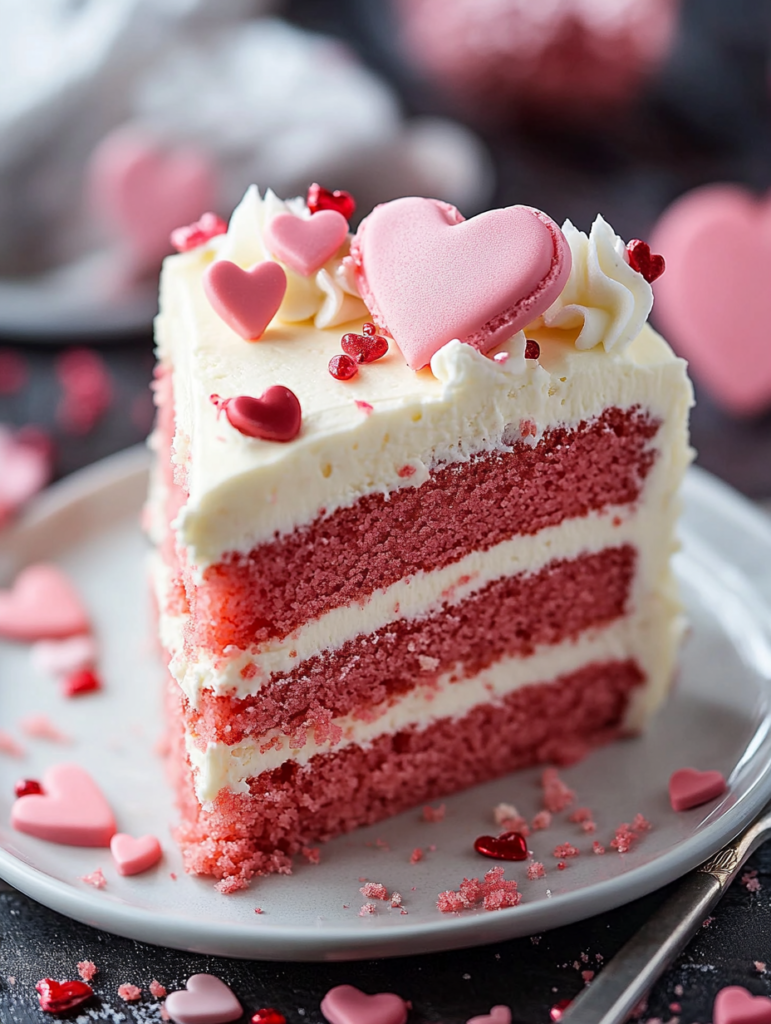
This Valentine’s Day Cake works well in many everyday settings. Serve it as a dessert after dinner with fresh berries on the side for a light contrast to the creamy frosting. It also fits nicely into casual afternoon gatherings, paired with a cup of coffee or tea. For family meals, slice it into smaller portions and serve as a sweet finish without feeling heavy. Leftover slices are easy to wrap and enjoy the next day as a simple treat, making this cake practical beyond the first serving.
Pro Tips for Best Results
- Bring dairy and eggs to room temperature for smoother mixing.
- Measure flour carefully to avoid a dense cake.
- Mix just until combined to keep the crumb tender.
- Let cakes cool fully before frosting to maintain structure.
- Use a spatula for gentle spreading of frosting.
Common Mistakes to Avoid
1. Using cold ingredients
Starting with cold butter, eggs, or cream cheese makes it harder to create a smooth batter and frosting. Cold ingredients don’t blend evenly, which can lead to uneven texture in the cake and lumpy frosting. To avoid this, allow all refrigerated ingredients to sit at room temperature before baking. This simple step improves consistency and makes mixing easier from the start.
2. Overmixing the batter
Overmixing can develop too much structure in the cake, leading to a tough or dry texture. This usually happens when the mixer runs too long after adding flour. Mix just until the ingredients come together and no dry streaks remain. Gentle mixing helps keep the cake light and soft, which is especially important for a dessert meant to feel tender and comforting.
3. Inaccurate measuring of flour
Scooping flour directly from the bag can pack it too tightly into the measuring cup, resulting in too much flour. This can make the cake dense and dry. Instead, lightly spoon flour into the cup and level it off. Accurate measuring ensures the cake bakes with the intended texture and crumb without unnecessary heaviness.
4. Baking at the wrong temperature
An oven that runs too hot or too cool can affect how the cake rises and bakes through. Too much heat may cause domed or dry layers, while lower temperatures can lead to underbaking. Always preheat the oven fully and use an oven thermometer if possible. Steady temperature helps the cake bake evenly and predictably.
5. Frosting the cake while warm
Applying cream cheese frosting to warm cake layers can cause it to melt and slide off. This not only affects appearance but also texture. Make sure the cake layers are completely cool before frosting. Patience at this stage helps the frosting stay smooth and stable, giving the cake clean layers and easier slicing.
6. Skipping proper pan preparation
Failing to grease the baking pans properly can cause the cake layers to stick, tearing when removed. This can make assembly difficult and frustrating. Grease the pans thoroughly before adding batter. Proper preparation ensures the layers release cleanly, saving time and effort during assembly and frosting.
Variations & Substitutions
This recipe can be adjusted gently without changing its core structure. The cake layers can be baked as cupcakes using the same batter, adjusting baking time as needed. For a slightly lighter finish, reduce the frosting amount per layer. The cake also works well served plain with frosting on the side for those who prefer less sweetness.
Storage & Reheating
Store the cake at room temperature for short periods if the space is cool, keeping it covered to prevent drying. For longer storage, refrigerate the cake in an airtight container to maintain freshness. Individual slices can be wrapped tightly. Freezing unfrosted cake layers is possible by wrapping them securely. Allow frozen layers to thaw at room temperature before frosting for best texture.
Frequently Asked Questions
Can I make this recipe ahead of time?
Yes, the cake layers can be baked a day in advance and stored covered at room temperature or refrigerated. The frosting can also be prepared ahead and refrigerated. Bring everything back to room temperature before assembling for the smoothest frosting and best texture.
How long does it last in the fridge?
When stored in an airtight container, the frosted cake will keep well in the refrigerator for up to four days. Refrigeration helps preserve the cream cheese frosting while keeping the cake layers moist and stable for later servings.
Can I freeze this recipe?
Unfrosted cake layers freeze well when tightly wrapped. Freezing frosted cake is less ideal due to texture changes in the frosting. Thaw frozen layers at room temperature before frosting and serving for best results.
What can I substitute for one ingredient?
Stick closely to the listed ingredients for best results. The balance between cake flour, fat, and liquid is important. Small changes may affect texture, so substitutions should be made carefully and with attention to consistency.
Why didn’t my recipe turn out as expected?
Common issues often relate to measuring errors, overmixing, or temperature problems. Reviewing each step carefully and using room-temperature ingredients usually resolves most concerns. Baking is precise, and small adjustments can make a noticeable difference.
Final Thoughts
Valentine’s Day Cake is a reliable, approachable recipe that fits naturally into home kitchens. It’s the kind of cake that feels familiar from the first slice, offering soft layers and a gentle frosting that doesn’t overpower. The process is calm and straightforward, making it enjoyable to bake without rushing or second-guessing. Whether shared at a small celebration or enjoyed over a few quiet days, this cake delivers comfort and balance. It’s a reminder that simple recipes, made carefully, can still feel meaningful and satisfying.
Valentine’s Day Cake
Ingredients
- 2 cups cake flour for a tender crumb
- 1 ½ cups granulated sugar
- 2 teaspoons baking powder
- ½ teaspoon salt
- ½ cup unsalted butter softened
- 4 large eggs room temperature
- 1 cup whole milk
- 2 teaspoons vanilla extract
- 8 oz cream cheese softened
- 4 cups powdered sugar
Instructions
- Preheat the oven to 350°F (175°C) and grease two round baking pans. Set aside.
- In a mixing bowl, whisk together the cake flour, granulated sugar, baking powder, and salt until evenly combined.
- In a separate bowl, cream the softened butter until light and fluffy. Add the eggs one at a time, mixing well after each addition.
- Stir in the vanilla extract until the mixture is smooth.
- Alternate adding the dry ingredients and milk to the butter mixture, mixing gently until just combined.
- Divide the batter evenly between the prepared pans and smooth the tops.
- Bake for 25–30 minutes, or until a toothpick inserted into the center comes out clean.
- Remove cakes from the oven and allow to cool briefly before transferring to a cooling rack. Cool completely.
- For the frosting, beat the softened cream cheese until smooth, then gradually mix in the powdered sugar until creamy.
- Frost the cooled cake layers evenly. Let the cake rest briefly before slicing and serving.